


- NYC mayoral front-runner Zohran Mamdani is proposing a pilot program for five city-owned grocery stores, one in each borough, to tackle food insecurity and rising grocery costs.
- The plan has sparked backlash from grocers, including billionaire John Catsimatidis, bodega owners, and some policymakers who argue the move is anti-business and unworkable.
- Supporters see it as a public option for food access in underserved communities, highlighting that government subsidies already exist for private grocers.
- Other cities like Atlanta and Boston are exploring or testing similar initiatives, turning NYC into a potential proving ground for urban municipal grocery stores.
The Plan: A Public Option For Produce
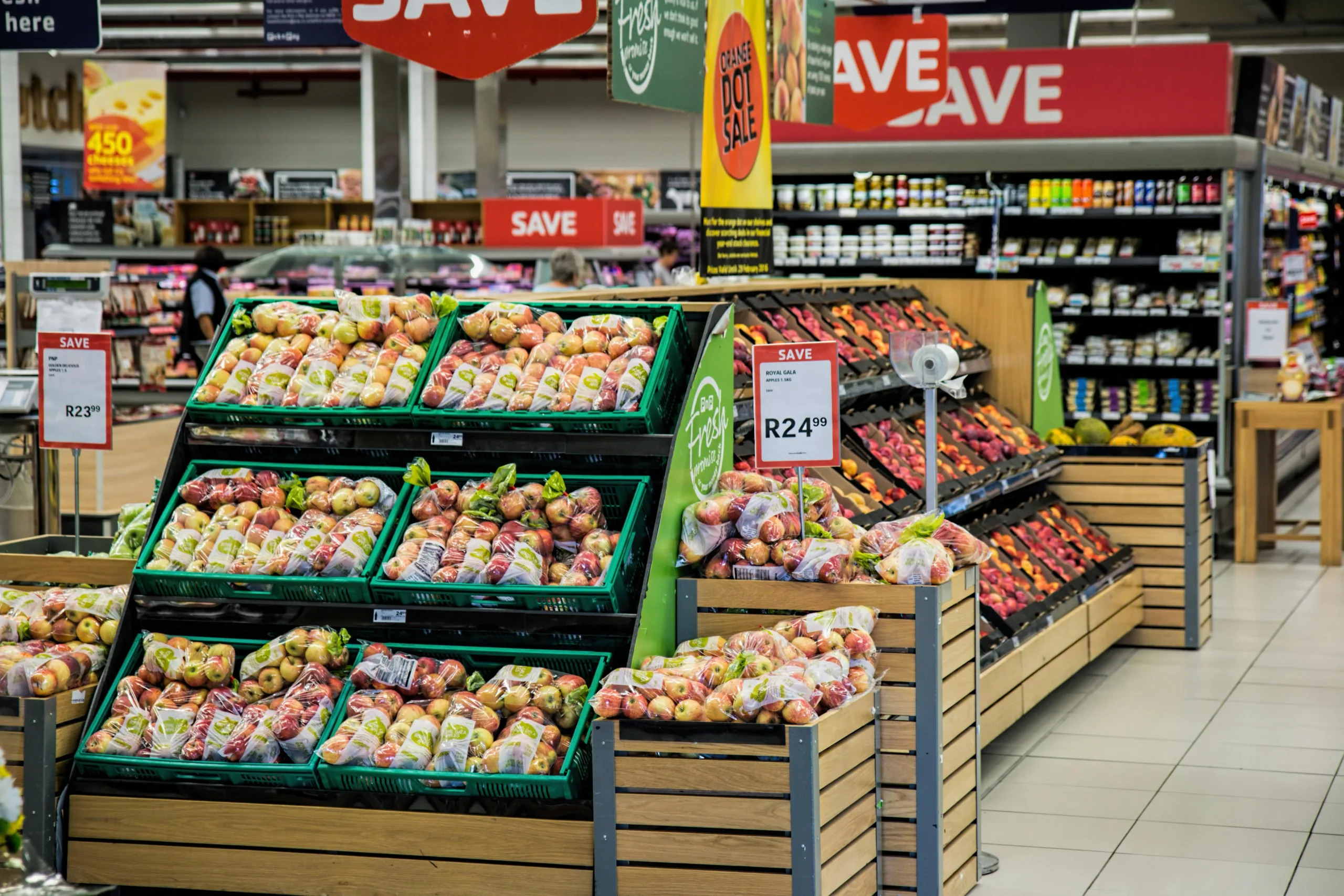
New York State Assemblyman and leading mayoral contender Zohran Mamdani has made a bold pledge. If elected, he plans to open five city-owned grocery stores, reports CoStar. The goal is to combat high food prices and improve access to healthy groceries in underserved areas. The stores would be located on city-owned property, operate without the pressure to turn a profit, and source from local farms and small businesses.
Mamdani says these stores would sell goods at wholesale prices, leveraging reduced operating costs—such as no rent or property taxes—to make groceries more affordable.
Opposition Heats Up
The proposal has drawn sharp criticism from various corners of the city’s business community. Billionaire supermarket mogul John Catsimatidis owns the Gristedes and D’Agostino chains. He called the plan “delusional” and has threatened to shut down his stores. Catsimatidis also said he may move his company headquarters to New Jersey if Mamdani wins.
Other critics include bodega trade groups and grocery associations. They warn that the move could destabilize the private grocery sector. Their concerns center on unfair competition and government inefficiency in a retail industry known for thin profit margins.
Even Governor Kathy Hochul weighed in, stating at a business event that she supports “free enterprise” over public grocery models.
Get Smarter about what matters in CRE
Stay ahead of trends in commercial real estate with CRE Daily – the free newsletter delivering everything you need to start your day in just 5-minutes
Could It Work? A Mixed Track Record
Mamdani’s plan is drawing attention in cities across the country where officials are also grappling with food deserts and rising prices. Some cities have already tested or launched similar initiatives:
- Atlanta opened Azalea Fresh Market, its first city-supported grocery, this fall with local grocer Savi Provisions operating the store in a USDA-designated food desert.
- Boston is studying the feasibility of its own public grocery initiative, while Chicago explored a similar idea earlier this year but shifted toward expanding public markets instead.
However, not all attempts have succeeded. In Kansas City, the city-backed Sun Fresh Market closed in August after years of security and operational challenges. Still, experts say scale matters—and NYC may be better suited for such a model than smaller cities.
A Fight Over Fairness And Feasibility
Supporters like Nevin Cohen of the Urban Food Policy Institute at CUNY argue that government already subsidizes private grocers, from SNAP payments to zoning and tax incentives. By contrast, Mamdani’s plan would redirect public support into publicly owned options with a mission to lower prices and improve access.
Critics counter that the government lacks the expertise to run supermarkets, citing the sector’s notoriously slim profit margins and competitive logistics. According to JLL’s retail analyst James Cook, even major players like Walmart struggle with low profitability, and city-run stores may not get the same deals as national chains.
Looking Ahead
While Mamdani hasn’t released a full blueprint, his $60M pilot plan has already made waves far beyond the five boroughs. New York could become a national test case for municipal grocery stores, depending on the election outcome and pilot store results.
As food affordability and access remain urgent issues, Mamdani’s public grocery store proposal is poised to be a central—and contentious—debate in the city’s upcoming mayoral race.
Why It Matters
The outcome of this proposal could reshape how urban centers nationwide address food insecurity. City-run grocery stores are no longer a fringe idea. Some see them as a radical experiment, while others view them as a necessary correction to market failures. They are now part of the mainstream political conversation.